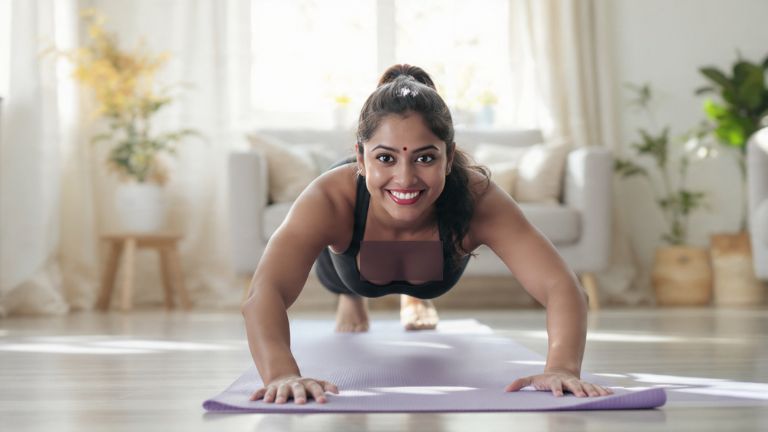
Hey there! Imagine starting your day with a quick 10-minute session that strengthens your core, improves posture, supports daily activities, and helps you feel more confident in your own skin — all from the comfort of your home. No gym, no equipment, no long hours needed.
As a certified fitness coach and nutritionist with over 10 years of hands-on experience helping beginners, women, busy professionals, and people across India and worldwide, I’ve guided hundreds of clients who thought “I have no time” or “abs are impossible for me” to build real core strength. This 10 minute abs workout at home is one of the most practical routines I’ve refined through real coaching.
Many of my clients in cities like Guwahati juggle jobs, family, and daily life yet saw noticeable improvements in strength, reduced back discomfort, and better overall feel within 4–8 weeks when they stayed consistent. This routine focuses on quality movement, not just endless crunches.
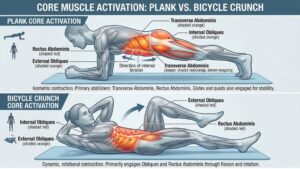
In this guide, you’ll get a complete step-by-step workout, science-backed insights, common mistake fixes, nutrition tips, and progression advice tailored for real beginners. The goal isn’t overnight six-packs — it’s building a functional, stronger core that supports your life. A 2014 study sponsored by the American Council on Exercise (ACE) evaluated various ab exercises using EMG testing and found that planks and bicycle crunches are highly effective at activating core muscles, including the deep transverse abdominis that supports spinal stability. While results vary, consistent core training combined with healthy habits can make a real difference.
Let’s get started — this is a routine that actually fits your busy schedule and delivers lasting value.
Why This 10 Minute Abs Workout at Home Works for Busy Beginners
Life today leaves little room for hour-long workouts. That’s why short, focused sessions like this 10 minute abs workout at home have helped so many of my clients stay consistent.
In my 10+ years of coaching, I’ve noticed that people who do brief daily core work often stick with it longer than those attempting long gym plans. Consistency compounds — 10 minutes most days adds up meaningfully over weeks and months.
This no-equipment routine can be done in your living room, bedroom, or small balcony. It’s especially helpful for women returning to fitness, absolute beginners, or anyone over 35 who wants to strengthen their midsection without complicated moves.
A study sponsored by the American Council on Exercise found that certain bodyweight core exercises like planks effectively engage multiple abdominal muscles. This abs workout for beginners at home emphasizes controlled movements to build endurance safely.
The best part? You finish feeling energized rather than drained. Many clients tell me this became their favorite “reset” moment — before breakfast or after work.
Real Benefits of Consistent Core Training
Strong core means more than appearance. From working with hundreds of clients worldwide, here’s what you can realistically expect with regular practice:
- Improved Daily Function and Stability: A stronger core helps with posture during sitting, standing, and lifting. One of my clients, a teacher from Assam, reported less lower back discomfort after 6 weeks of consistent core work.
- Better Balance for Everyday Life: Tasks like carrying bags or playing with kids feel steadier.
- Support for Overall Strength: Your core connects upper and lower body. Many clients noticed better performance in walking or light strength activities.
- Enhanced Body Awareness: You become more mindful of how you move, which can help prevent strain.
Note: Visible changes in waist appearance depend on overall body composition, nutrition, and consistency over time. Core exercises strengthen muscles, while fat loss comes primarily from a balanced calorie approach and movement.
Research published in the Journal of Orthopaedic & Sports Physical Therapy has shown that core stability exercises can be beneficial for improving function and managing certain types of back discomfort when performed with proper form.
This flat stomach workout at home focuses on building a functional core that supports real life.
Common Mistakes Beginners Make — And How to Fix Them
I’ve corrected these errors with countless clients. Avoiding them helps you progress safely and see better results.
- Breathing Incorrectly: Many hold their breath. Exhale during the effort phase (e.g., when crunching up) and inhale as you return. This keeps you steady and prevents unnecessary pressure.
- Relying on Momentum: Fast, jerky movements use swing instead of muscles. Move slowly and with control — if it feels too easy, you may be cheating the range.
- Neglecting Form for Reps: Quality matters more than speed. Keep your lower back gently pressed or neutral where needed.
- Skipping Recovery: Train 4–5 days per week with rest days in between for muscle repair.
- Focusing Only on Upper Abs: This routine balances upper, lower, and side muscles.
Fix: Start with shorter holds or modified versions. I always remind clients — “Listen to your body and prioritize form.”
Preparing for Your Quick Abs Workout at Home
Preparation is minimal — making it easy to start today.
- Find a clear 6×6 feet space on a yoga mat, carpet, or towel.
- Choose a consistent time — morning on an empty stomach or evening works for most.
- Wear comfortable clothes that let you move freely.
- Set a phone timer for 10 minutes. Optional: Play motivating music.
- Quick 30–60 second warm-up: March in place with gentle arm circles and light torso twists.
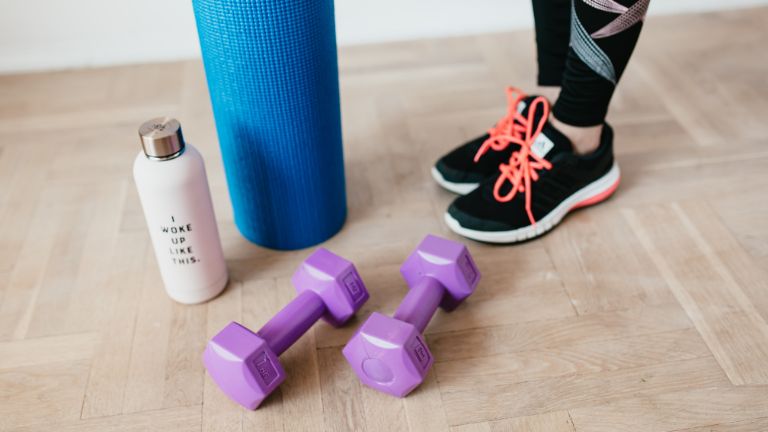
No fancy setup needed. This quick abs workout no equipment is designed for real homes and real schedules.
Your Complete 10 Minute Abs Workout at Home Routine
This circuit includes 8 effective exercises. Perform each for 40 seconds work followed by 20 seconds rest. Move from one to the next with minimal pause. Complete the full circuit once for approximately 10 minutes. As you get stronger, you can repeat it.
Focus on engaging your core by gently drawing your belly button toward your spine. Breathe steadily.
1. Basic Crunches (Targets Upper Abs)
Lie on your back, knees bent, feet flat, hands lightly behind your head. Lift your shoulders a few inches off the floor by curling your upper body. Lower slowly. Beginner tip: Keep hands on chest if neck feels strained. This classic move still shows good activation in research studies.
2. Bicycle Crunches (Great for Obliques)
Lie on your back, hands behind head. Bring one elbow toward the opposite knee while extending the other leg. Alternate in a pedaling motion. Why effective: It engages multiple core areas. Move with control rather than speed.
3. Leg Raises (Focuses on Lower Abs)
Lie flat, hands under your hips for support. Lift straight legs toward the ceiling, then lower them slowly without letting them touch the floor completely. Modification: Bend knees or lower only partway if needed. Great for addressing lower belly area.
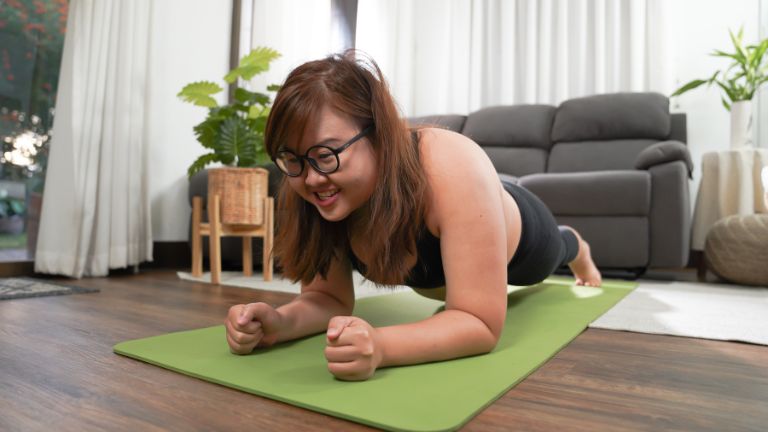
4. Forearm Plank Hold (Full Core Stabilizer)
Position on forearms and toes, body in a straight line from head to heels. Hold while keeping core tight and breathing. Modification: Drop to knees if full plank is challenging. Multiple studies, including those reviewed by the American Council on Exercise, highlight planks as one of the most effective bodyweight core exercises.
5. Seated Russian Twists (Oblique Focus)
Sit with knees bent, lean back slightly, and rotate your torso side to side. Hold a water bottle for added challenge if ready. Real client example: A busy professional saw improved waist definition and strength after consistent practice.
6. Mountain Climbers (Cardio + Core)
From plank position, alternately drive knees toward your chest in a controlled running motion. Benefit: Adds light cardio element while keeping core working.
7. Flutter Kicks (Lower Abs and Hip Control)
Lie on your back, lift legs slightly off the floor, and scissor them up and down in small movements. Tip: Press lower back gently into the floor to protect your back.
8. Superman Hold (Posterior Core Balance)
Lie face down, lift arms and legs off the floor simultaneously (like flying). Hold or do small pulses. Why include it: Balances the front core work and supports overall back strength.
End with 20–30 seconds of deep breathing while lying flat. Great job!
How to Progress This Quick Abs Workout Over Time
When the routine starts feeling easier (usually after 2–4 weeks):
- Increase work time to 45–50 seconds.
- Add a second round if time allows.
- Introduce light variations like slower tempos or holding positions longer.
- Combine with other home routines such as our full body workout at home or leg workout at home for balanced training.
This quick abs workout no equipment grows with you. Progress gradually to avoid overuse.
Supporting Your Results with Simple Nutrition and Lifestyle Habits
Core strength shows best when paired with overall healthy habits. Here are practical tips I give every client:
- Aim for balanced meals with adequate protein (eggs, dal, curd, fish, or chicken) to support muscle recovery.
- Stay hydrated — 3+ liters of water daily can help reduce bloating.
- Focus on whole foods and control portions rather than strict dieting.
- Include walks or light cardio most days to support energy balance.
- Sample post-workout snack: A banana with a handful of nuts or yogurt.
Remember, spot reduction is limited — overall fat management comes from sustainable calorie balance plus movement. Combining exercise with proper nutrition supports better long-term results.
For more guidance, explore our Indian diet plan for weight loss.
FAQ About the 10 Minute Abs Workout at Home
1. Is this 10 minute abs workout at home suitable for complete beginners?
Yes. Use the modifications provided, focus on form, and start at your own pace. Many absolute beginners have succeeded with this approach.
2. How often should I do it to see results?
Aim for 4–5 days per week with rest days. Combine with healthy eating and other activity for best outcomes. Strength improvements often appear in 3–8 weeks with consistency.
3. Will this give me a flat stomach quickly?
It strengthens your core muscles. A toned appearance depends on overall body composition, nutrition, and time. Patience and consistency are key.
4. Do I need any equipment?
No equipment is required. A mat is optional for comfort.
5. What if I have existing back pain?
Start with modifications, keep movements controlled, and consult a healthcare professional before beginning any new exercise program, especially if you have pain or medical conditions.
6. Can I combine this with other workouts?
Absolutely. Pair it with walking, full-body sessions, or upper/lower body work for balanced fitness.
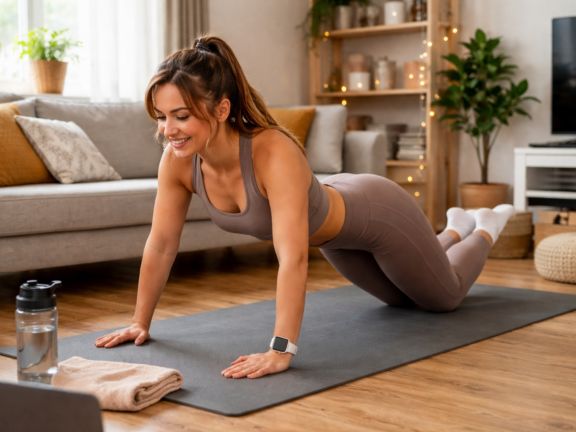
[Image: diverse group of beginners successfully doing home abs workout] alt=”real beginners doing 10 minute abs workout at home”
Start Building Your Stronger Core Today
You now have a complete, practical 10 minute abs workout at home that’s designed for real people with busy lives. The key is starting small and staying consistent — your body adapts beautifully over time.
Try the routine today and notice how your core feels more engaged. Bookmark this guide for easy daily reference. Share your experience in the comments or tag a friend who might benefit.
For more supportive content, check our guides on home workouts for women and beginner weight loss tips.
You have everything you need right here. Small daily actions create meaningful change. You can do this!
About the Author Ashan Ali is a certified fitness coach and nutritionist with over 10 years of experience helping beginners, women, and busy professionals worldwide achieve sustainable fitness results at home. Based in Guwahati, Assam, India, he specializes in practical, no-equipment workouts and science-supported nutrition advice that fits real Indian lifestyles.
Ashan has coached hundreds of clients through online and in-person programs, focusing on consistency, proper form, and long-term habits rather than quick fixes. He believes fitness should be accessible, enjoyable, and effective for everyone.
Connect with him for more practical tips or personalized guidance.
This article is for informational and educational purposes only. It is not a substitute for professional medical advice. Consult a doctor or qualified healthcare provider before starting any new exercise or nutrition program, especially if you have pre-existing health conditions, injuries, or concerns.