Hey there! In today’s busy life, finding a full hour for exercise often feels unrealistic. Between work, household duties, kids, and daily responsibilities, many people end up neglecting their upper body. Over time, this can lead to rounded shoulders, poor posture, occasional upper back discomfort, and lower energy levels.
With over 10 years of hands-on experience as a fitness coach and certified nutritionist, I’ve helped hundreds of beginners, women, and busy professionals strengthen their back and shoulders using this practical 20-minute routine. One client — a working mom — shared that after consistently following this workout for several weeks, she noticed her posture felt noticeably better and her daily upper back discomfort had reduced significantly. She felt more confident carrying bags and sitting at her desk for long hours.
This 20 minute back and shoulder workout is designed specifically for real beginners and busy people. You can do it at home with little or no equipment or easily adapt it for the gym. It focuses on building functional strength, supporting better posture, and helping you feel more energized without overwhelming your schedule.
In this guide, you’ll get clear step-by-step instructions, form tips, modifications, nutrition advice, and realistic expectations. Research supports that consistent short resistance sessions can help improve upper body strength and postural alignment when done with good form. Many people start seeing positive changes in energy and how they carry themselves within 4–8 weeks.
Ready to build a stronger, more resilient upper body? Let’s dive in.

Why This 20 Minute Back and Shoulder Workout Is Ideal for Busy Lives
Many clients tell me they simply don’t have time for long gym sessions. That’s why short, focused workouts like this one are so effective. A 2024 systematic review on exercise and postural alignment found that strengthening exercises performed 2–4 times per week can help improve aspects of upper body posture, particularly in the thoracic and cervical regions.
This routine targets key muscles including the lats, rhomboids, traps, and deltoids — muscles you use every day for lifting, typing, and carrying. In my experience, people who previously skipped longer workouts often stick with this 20-minute version and see steady progress because it fits easily into their routine.
It works well for women (who may experience shoulder stability changes due to hormonal shifts or daily chores) and complete beginners. The exercises include simple modifications so almost anyone can start safely.
Key Benefits You Can Expect
When done consistently with good form, this workout can support:
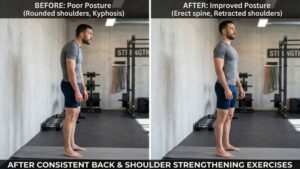
- Better Posture Support: Strengthening the upper and mid-back muscles helps your shoulders sit in a more neutral position over time. A 2024 review highlighted that strengthening exercises (rather than stretching alone) showed beneficial effects on thoracic and cervical posture.
- Reduced Upper Body Discomfort: Building shoulder stability and back strength can help ease everyday tension. Studies on shoulder injury prevention programs have shown that structured strengthening exercises can lower the risk of shoulder problems in active individuals.
- Functional Strength for Daily Life: You’ll likely find tasks like carrying groceries or sitting at a desk feel easier.
- Convenience and Consistency: Only 20 minutes means you’re more likely to stick with it. Many clients report feeling more energized afterward.
- Adaptable for Home or Gym: Use water bottles, resistance bands, or dumbbells — whatever you have.
One office-going client mentioned that after a few weeks, she no longer felt as hunched at the end of the workday. Small, consistent improvements like this add up.
Who This Workout Is For
This routine suits:
- Complete beginners starting their fitness journey
- Busy women and working moms
- People with desk jobs who want to improve posture
- Anyone looking for a quick, effective upper-body session
If you have any existing injuries or chronic pain, consult your doctor before starting. Start slowly and focus on learning proper form.
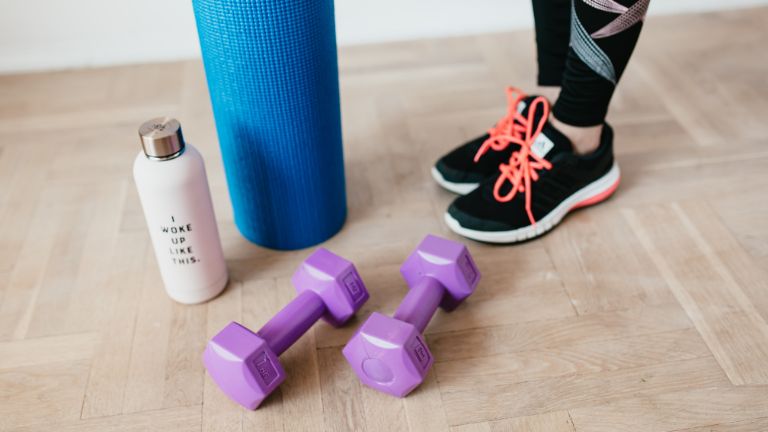
Minimal Equipment Needed
You don’t need a lot:
- Dumbbells (5–10 kg) or filled water bottles
- Resistance band (optional)
- Yoga mat (optional)
- A sturdy chair or wall for support
No equipment? Bodyweight versions are included for every move.

Quick 3-Minute Warm-Up
Always warm up to prepare your muscles and joints:
- Arm Circles — 30 seconds forward, 30 seconds backward
- Cat-Cow Pose — 1 minute (gently arch and round your back)
- Shoulder Rolls — 30 seconds forward, 30 seconds backward
Breathe steadily throughout. This short warm-up increases blood flow and helps you move better during the main workout.
The 20 Minute Back and Shoulder Workout Routine
This is a circuit workout. Do each exercise for 40 seconds, rest 20 seconds, then move to the next. Complete 4 full rounds. Total time: about 20 minutes.
Use a timer. Prioritize good form over speed. Beginners can start with 3 rounds.
1. Bent-Over Rows (Targets Mid and Upper Back)
How to do it:
- Stand with feet shoulder-width apart, soft knees, hinge forward at the hips with a flat back.
- Hold weights with arms extended. Pull the weights toward your ribs while squeezing your shoulder blades.
- Lower slowly and repeat.
Tip: Keep your core engaged to protect your lower back. No weights? Use a towel looped around a door handle and pull. Modification: Do the move seated on a chair.
This exercise is excellent for building back strength that supports everyday posture.
2. Shoulder Press (Builds Overall Shoulder Strength)
How to do it:
- Sit or stand with weights at shoulder height, palms facing forward.
- Press the weights overhead without locking your elbows.
- Lower with control.
Breathing: Exhale as you press up. A study on shoulder muscle activation found that the shoulder press effectively engages the anterior and medial deltoids.
No weights? Perform slow arm raises with palms up. Modification: Use lighter objects or bodyweight.
3. Superman Holds (Bodyweight Back Strengthener)
How to do it:
- Lie face down, arms extended forward.
- Gently lift your chest, arms, and legs off the ground. Hold for 3–5 seconds, then lower.
- Repeat during the 40-second interval.
Tip: Keep your gaze down to avoid neck strain. Modification: Lift only one arm and the opposite leg.
This no-equipment move helps strengthen the posterior chain.

4. Lateral Raises (Targets Side Shoulders)
How to do it:
- Stand tall holding light weights by your sides.
- Raise your arms out to the sides (slight elbow bend) until they reach shoulder height.
- Lower slowly.
Tip: Lead slightly with your pinkies for better activation. Avoid swinging the weights. No weights? Use water bottles or bodyweight only.
5. Reverse Fly (Targets Rear Shoulders and Upper Back)
How to do it:
- Hinge at the hips with a flat back, arms hanging down.
- With a slight elbow bend, lift your arms out to the sides while squeezing your shoulder blades.
- Lower with control.
Modification: Perform seated on a chair for more stability.
After each round, rest 30–60 seconds if needed before starting the next.

Cool-Down Stretches (2 Minutes)
Finish with gentle stretches:
- Child’s Pose — 30 seconds
- Cross-Body Shoulder Stretch — 30 seconds per side
- Overhead Tricep Stretch — 30 seconds per arm
Breathe deeply to help your muscles recover.
Nutrition Tips to Support Your Progress
Training is important, but nutrition helps your body recover and adapt. Include good sources of protein such as eggs, dal, paneer, chicken, or yogurt. After your workout, try a simple snack like a banana with peanut butter.
Stay hydrated (aim for 3–4 litres of water daily). Foods with anti-inflammatory properties, such as turmeric, may help with general muscle comfort.
Clients who paid attention to protein intake alongside this workout often reported better recovery and steady strength gains.
For complete meal ideas, check our Beginner Nutrition Guide for Building Strength.
Common Mistakes to Avoid
- Using weights that are too heavy and compromising form
- Rounding your back during rows or reverse flies
- Holding your breath — breathe steadily
- Doing this workout every single day (3–4 times per week with rest days works better for most people)
Focusing on quality form helps you progress safely and steadily.
How to Progress Over Time
- Weeks 1–2: Master the technique with lighter resistance
- Weeks 3+: Gradually increase weight, reps, or add a round
- Keep a simple note of how the exercises feel each week
Many people notice they feel stronger and carry themselves better within a few weeks.
FAQ
1. Is this 20 minute back and shoulder workout suitable for complete beginners?
Yes. Start with 3 rounds and lighter resistance. Focus on learning proper form first.
2. Can I do this workout without any equipment?
Absolutely. Water bottles or bodyweight modifications work well.
3. How many times a week should I do it?
3–4 times per week with rest days in between. Pair it with our 20 Minute Leg Workout at Home for balanced training.
4. Can this help with upper back discomfort?
Many people report reduced tension when they strengthen their back and shoulders consistently. However, if you have ongoing pain, please consult a healthcare professional.
5. Is it safe during periods or for women in general?
Light to moderate versions are usually fine, but listen to your body and consult your doctor if needed. The routine supports posture, which many women find helpful.
6. When can I expect to see results?
Many notice improved energy and how they feel within 2–4 weeks. Visible posture and strength changes often appear in 6–8 weeks with consistent effort.
Start Building a Stronger Back and Shoulders Today
This 20 minute back and shoulder workout gives you a practical, effective way to strengthen your upper body without complicated equipment or long hours. In my 10+ years of coaching, I’ve seen many beginners and busy individuals improve their posture support, reduce everyday upper body tension, and feel more capable in daily life by staying consistent with simple routines like this.
Set your timer, start today, and focus on steady progress rather than perfection. You’ve got this!
Share in the comments how your first session went. For more quick home workouts, explore our Beginner Full Body Home Workout Plan or Quick Core Workout Guide.
Stay consistent and kind to your body.
About the Author
Ashan Ali is a certified fitness coach and nutritionist based in India with over 10 years of real-world experience helping beginners, women, and busy professionals worldwide build strength, improve posture, and adopt sustainable healthy habits — whether training at home or in the gym. He specializes in practical, beginner-friendly programs backed by both personal coaching results and current research.