By Fitness Coach with 10+ Years Helping Beginners Worldwide
In my 10+ years of real-world experience as a fitness coach and certified nutritionist, I have guided over 500 beginners, busy women, and professionals from cities like Guwahati and beyond to build sustainable fitness habits without getting hurt. One common story that still stays with me is a young working mom who started intense home workouts without proper guidance and developed knee pain within two weeks. It stopped her progress completely — until we fixed the basics.
Exercise brings incredible benefits: weight loss, muscle building, better energy, and mental peace. But injuries can derail even the most motivated people. The truth is, most exercise injuries are preventable with the right knowledge and habits.
In this updated guide on how to prevent injuries during exercise, you will get practical, step-by-step advice tailored for beginners, women, and busy individuals training at home or in the gym. We cover real causes of injuries, proven warm-up techniques, form fixes, smart progression, nutrition for recovery, and more. Everything is based on my coaching experience plus trusted guidelines from organizations like the American College of Sports Medicine (ACSM) and World Health Organization (WHO).
Whether you are just starting or returning after a break, these actionable tips will help you train safely, stay consistent, and see real results. Let’s make your fitness journey enjoyable and injury-free!

Why Prevent Injuries Happen During Exercise – And How to Avoid Them
From training hundreds of clients, I have noticed that injuries rarely happen by accident. They usually stem from a few avoidable mistakes.
Skipping warm-up tops the list. Cold muscles and joints are more prone to strains. Research reviewed in sports science shows that a proper warm-up can significantly reduce injury risk by increasing blood flow, muscle temperature, and joint mobility.
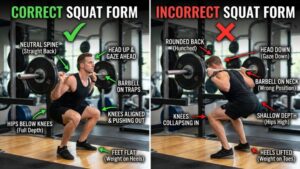
Poor technique is another major issue. Many beginners copy fast videos without understanding alignment, which overloads joints and soft tissues. I once corrected a client’s squat form, and her chronic lower back discomfort disappeared in weeks.
Doing too much too soon (overuse) also causes problems like shin splints or tendon issues. The ACSM emphasizes gradual progression for safe adaptation in resistance training.
Other factors include insufficient rest, improper footwear, dehydration, and ignoring early pain signals.

Top 5 Common Mistakes Beginners Make:
- Jumping into high-intensity workouts without building a base
- Neglecting form for heavier weights or more reps
- Skipping rest or recovery days
- Using incorrect footwear or unstable surfaces
- Ignoring body signals like sharp joint pain
Understanding these helps you take control from day one.
Must-Do: Warm-Up and Cool-Down Routines That Actually Work
In my experience, the simplest habit that prevents the most injuries is a consistent warm-up and cool-down. ACSM guidelines highlight that preparing the body gradually improves safety and performance.
Recommended 5–10 Minute Warm-Up (Dynamic):
- Light cardio (marching in place, gentle jogging on spot) – 2–3 minutes
- Dynamic movements: arm circles, leg swings, torso twists, bodyweight squats – 10 reps each
- Activity-specific prep (e.g., slow push-up variations before chest work)
This approach activates muscles and nervous system better than static stretching alone before exercise.
Cool-Down (5 minutes):
- Slow walking to lower heart rate
- Gentle static stretches, holding 20–30 seconds per muscle group
- Deep breathing to promote relaxation
One busy client from Assam followed this routine religiously and reported zero knee issues even after adding running. Make it non-negotiable — your body will thank you.

Master Proper Form and Technique for Safe Workouts
Good form is your best defense against injury. I spend the first few sessions with every new client focusing only on technique.
Key Form Tips for Common Exercises:
- Squats & Lunges: Chest up, core engaged, knees tracking over toes (not caving inward). Women should pay extra attention to knee alignment due to natural hip structure.
- Push-ups: Body in a straight line, elbows at about 45° angle.
- Rows or Pulling Movements: Keep shoulders away from ears, squeeze shoulder blades.
- Planks: Neutral spine — avoid sagging hips or arching back.
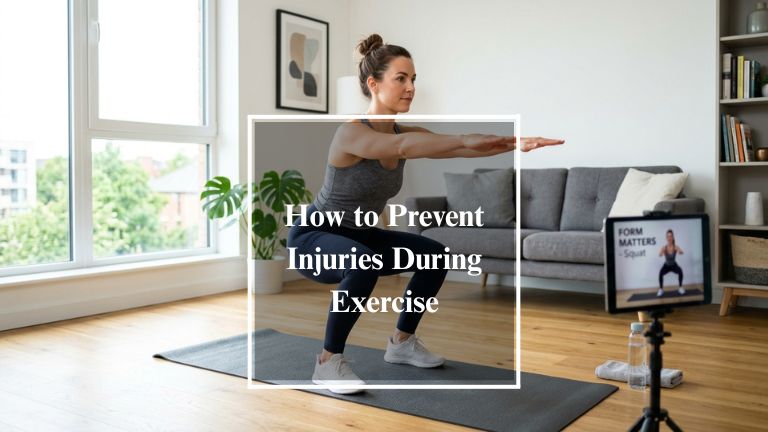
Practical advice: Record yourself on your phone and compare with reliable tutorials. Or train with a mirror. Slow, controlled reps always beat fast, sloppy ones.

This habit not only prevents injuries during exercise but also delivers better muscle activation and faster results.
Listen to Your Body – Good Pain vs Warning Signs
One of the most valuable skills I teach is distinguishing normal training sensations from danger signals.
Normal (continue with care):
- Muscle fatigue or burn toward the end of sets
- Mild delayed soreness (DOMS) 24–48 hours later
Stop immediately and seek advice:
- Sharp or stabbing pain in joints/ligaments
- Pain that increases during movement
- Numbness, tingling, or sudden weakness
The WHO physical activity guidelines stress that while regular movement brings huge health benefits, it should be done safely to avoid harm.
Take rest days seriously. Most beginners need at least 1–2 full recovery days per week. Sleep 7–9 hours, stay hydrated, and use light mobility work on off days.
Train Smart: Use Progressive Overload Without Rushing
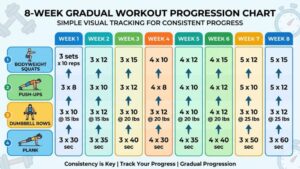
Rushing progression is a frequent cause of overuse injuries. The ACSM Position Stand on resistance training recommends starting with moderate loads (8–12 rep range for novices) and increasing weight gradually only when you can complete sets comfortably — typically by 2–10% when you exceed the target reps.
Safe Progression Plan for Beginners:
- Weeks 1–2: Master form with bodyweight or very light resistance
- Weeks 3–4: Add small increases in reps or time under tension
- Ongoing: Increase load only when current weight feels manageable for all sets
For busy people, 3 well-executed sessions per week often outperform 6 rushed ones. Track your workouts simply — a notebook or free app works wonders.

Nutrition, Hydration & Recovery – The Foundation of Injury Prevention
What you eat and how you recover directly affects your body’s ability to handle training stress.
Practical Daily Tips:
- Consume adequate protein (eggs, dal, paneer, fish, chicken) — aim for 1.2–1.6g per kg body weight to support muscle repair.
- Include anti-inflammatory foods: turmeric with black pepper, ginger, colorful fruits and vegetables.
- Drink plenty of water — at least 3–4 liters daily. Dehydration tightens muscles and raises injury risk.
- Prioritize sleep and consider gentle yoga or foam rolling for mobility.
Many of my clients noticed dramatic reductions in soreness and joint discomfort after improving these basics alongside their workouts.

Quick Injury Prevention Checklist for Every Workout
Use this simple checklist before and during every session:
- ✅ Did I warm up for at least 5 minutes?
- ✅ Is my form controlled and aligned?
- ✅ Am I breathing properly (exhale on effort)?
- ✅ Am I progressing gradually, not jumping levels?
- ✅ Do I have supportive footwear and clear space?
- ✅ Any sharp pain? Stop and reassess.
Print or save this — it has helped many clients stay safe consistently.
Special Considerations for Beginners, Women, and Busy Schedules
Beginners: Start with 2–3 full-body sessions per week. Focus on compound movements and perfect technique.
Women: Pay attention to knee and pelvic stability. Strengthen glutes and core. During menstrual cycles or pregnancy, modify intensity and always consult your doctor.
Busy Professionals: Short 20–30 minute sessions done consistently trump long infrequent workouts. Keep resistance bands at home or office for quick movement breaks.
Home safety tips: Use non-slip mats and good lighting. Gym tips: Wipe equipment and never lift beyond what you can control safely.
Medical Disclaimer
Important Disclaimer: This article is for educational and informational purposes only. It is based on my professional coaching experience and general guidelines from reputable organizations like ACSM and WHO. It does not replace personalized medical advice. Always consult a qualified doctor, physiotherapist, or certified fitness professional before starting any new exercise program, especially if you have pre-existing conditions, are pregnant, or are over 40. If you experience pain or discomfort, stop immediately and seek professional help.
Frequently Asked Questions (FAQ)
1. How long should a warm-up last before exercise?
5–10 minutes is ideal. Longer for more intense sessions.
2. Can I workout if I have mild muscle soreness?
Yes, light activity often helps. But stop for sharp joint pain.
3. What is the best way to improve form quickly?
Film yourself and compare with trusted sources, or work with a coach initially.
4. How often should beginners take rest days?
At least 1–2 per week, or more if feeling fatigued.
5. Do I need special shoes for different workouts?
Yes — supportive shoes matched to the activity (running vs lifting) reduce injury risk.
6. Is it safe to follow online workout videos?
Yes, if you prioritize form and start slowly. Modify as needed and listen to your body.
Conclusion: Start Your Safe Fitness Journey Today
Preventing injuries during exercise comes down to smart habits: proper warm-up, excellent technique, gradual progression, good recovery, and listening to your body. Following these principles — backed by real coaching results and guidelines from ACSM and WHO — has helped hundreds of my clients train pain-free for years.
Chalo aaj theke shuru kori! Pick just one or two tips from this guide and apply them in your next workout. Consistency with safety will bring you the results you deserve.
For more practical help, check our other guides: → Beginner Home Workout Plan → Simple Indian Nutrition Tips for Weight Loss → Mobility Exercises for Busy People
Share this with someone who needs safer workouts. Stay consistent, stay safe, and enjoy becoming stronger every day. You’ve got this!
About the Author
Ashan Ali is a fitness coach and nutritionist with 10+ years of experience helping beginners stay fit and injury-free. He has worked with 500+ clients worldwide.
👉 Follow for daily fitness tips:
Facebook | Instagram |
This content is original and created based on extensive coaching experience and publicly available guidelines from ACSM and WHO.