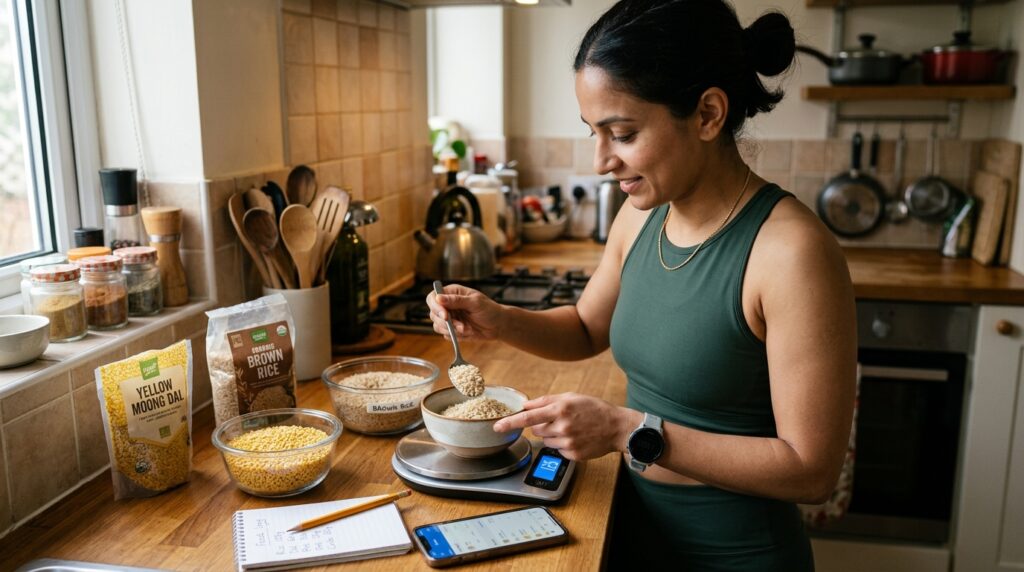
Are you a beginner who feels confused or overwhelmed about supplements? You’re not alone. Many people I coach ask the same questions every week: “Which ones actually work? Are they safe? Do I really need them?”
Hello friends, welcome to TheWeeklyHealthiness! I am a certified fitness coach and nutritionist with more than 10 years of hands-on experience helping thousands of beginners, busy women, working professionals, and moms lose weight, build muscle, and improve their overall health—whether they train at home or in the gym.
This supplements guide is written especially for real beginners like you. It is based on my coaching experience with clients worldwide, practical results I have seen, and a careful review of scientific studies. There are no magic pills here. Supplements can help fill nutritional gaps, but they work best when combined with a balanced diet and regular exercise.
Many studies suggest that the right supplements, used properly alongside good habits, can support better results in energy, recovery, and body composition. In this complete guide, you will find clear, step-by-step advice, real-life examples, safety tips, and practical recommendations that you can apply anywhere in the world.

Why Beginners May Consider Supplements
In today’s busy life, it can be challenging to get all the nutrients we need from food alone. Long work hours, family responsibilities, traffic, and skipped meals are common. Research shows that Vitamin D deficiency is very common in India, with many studies reporting a prevalence of 70–100% in the general population (Ritu & Gupta, 2014; Aparna et al., 2018). Low levels of Omega-3 and other micronutrients are also frequently observed.
From my experience working with hundreds of clients, supplements tend to give the best support when your daily diet is already 70–80% on track. People who combine basic supplements with consistent workouts and mindful eating often report improved energy, better recovery, and steady progress. However, those who expect supplements to replace healthy eating usually see limited results.
Simple takeaway: Supplements are helpers, not replacements. Let’s explore the most practical ones for beginners.
Top 5 Commonly Recommended Supplements Guide for Beginners
After years of coaching, these are the supplements I most often discuss with beginners. They are widely studied, generally affordable, and available in many countries.
1. Whey Protein or Plant-Based Protein Powder
Protein helps support muscle repair and keeps you feeling full. Many busy people find it hard to meet their daily protein needs from food alone.
One scoop of whey protein typically provides 20–25g of protein and can be convenient after workouts or as part of breakfast. Vegetarians or vegans can choose pea, rice, or soy protein.

Real-life example: Priya, a 32-year-old teacher from Guwahati, started adding one protein shake daily while following a balanced diet and light home workouts. In about 10 weeks she noticed positive changes in her energy and body composition.
How to use: Mix 1 scoop with water or milk. Many people take it after training. Individual needs vary.
2. Creatine Monohydrate
Creatine is one of the most researched supplements for exercise performance. The International Society of Sports Nutrition (ISSN) position stand notes that creatine monohydrate is safe and effective for increasing strength and supporting training adaptations when used appropriately (Kreider et al., 2017).
Typical approach: Some people use a short loading phase (around 20g per day for 5–7 days, divided into doses), followed by 3–5g daily. Others start directly with 3–5g per day.
In my experience, many clients report they can train a little harder after consistent use. Mild water retention (1–2 kg) is common and usually temporary.
Important safety note: Dosage and response can vary. Always consult a doctor before starting, especially if you have any health conditions.
3. Multivitamin & Mineral
A daily multivitamin can help fill small nutritional gaps, particularly when diet is inconsistent. Some studies have explored multivitamins in relation to energy and well-being, though results vary across populations.
Tip: Taking it with breakfast is a common routine.
4. Omega-3 Fish Oil (EPA + DHA)
Omega-3 fatty acids are studied for their role in heart health, reducing inflammation, and supporting brain function. Systematic reviews indicate potential benefits for cardiovascular outcomes and cognitive support (Khan et al., 2021; various meta-analyses).
Vegetarians can look for algae-based Omega-3. A common range discussed in research is 1000–2000 mg combined EPA + DHA per day, but individual needs differ.

Many of my women clients mention feeling benefits in joint comfort and overall mood when diet and lifestyle are supportive.
Safety note: Consult your doctor, especially if you take blood-thinning medications.
5. Vitamin D3 (often with K2)
Vitamin D plays a key role in bone health, immunity, and muscle function. In India and many tropical countries, deficiency remains surprisingly common due to indoor lifestyles, clothing, and limited sun exposure.
Studies report high prevalence rates across age groups. Supplementation is often discussed in the range of 1000–4000 IU daily, but the exact amount should be guided by blood tests and medical advice.
Safety note: Dosage must be personalized. High doses without monitoring are not recommended.
Supplements and Weight Loss: Realistic Expectations
Sustainable weight loss comes primarily from a calorie deficit, balanced nutrition, strength training, and daily movement. Supplements may offer additional support.
Commonly discussed options include:
- Green tea extract (EGCG) – some studies suggest a modest effect on metabolism.
- Caffeine (from coffee or pre-workout) – can support energy and fat oxidation during exercise.
- Soluble fiber (such as psyllium husk) – helps with satiety and digestion.
Real example: Rahul, a software engineer, focused on protein intake, green tea, and 8,000–10,000 daily steps alongside a calorie-controlled diet. Over several months he achieved steady fat loss and better energy.
Key reminder: No supplement replaces a proper diet and training plan. Results vary widely between individuals.
Supplements for Muscle Building and Recovery
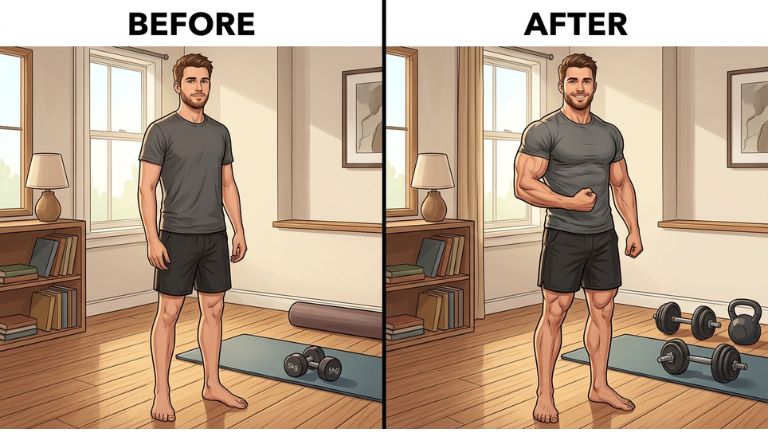
Building muscle requires progressive training, adequate protein, and recovery. Creatine and protein powder are frequently used together.
Additional options sometimes discussed:
- Beta-alanine for buffering fatigue during higher-rep training.
- BCAAs if training in a fasted state (though whole protein is often preferred).
In my coaching practice, clients who stay consistent with training and basic supplementation often report improved strength and recovery over 8–12 weeks.
Practical tip: Consuming protein soon after workouts can support muscle protein synthesis.
How to Choose Safe and Quality Supplements
Quality matters more than quantity. Here are practical checks I recommend:
- Look for third-party testing (NSF, Informed-Sport, or similar).
- Avoid “proprietary blends” where exact amounts are hidden.
- Choose reputable brands with transparent labeling.
- Check expiry dates and buy from trusted sellers.
- Read recent customer feedback.
In India, brands like MuscleBlaze, Optimum Nutrition, and others are popular. If you are pregnant, breastfeeding, or have medical conditions, speak with your doctor before using any supplement.

Common Mistakes Beginners Make
From my experience, these are frequent pitfalls:
- Expecting fast results from supplements alone.
- Taking higher doses than needed.
- Ignoring overall diet and sleep.
- Buying unverified products online.
- Stopping too early (most benefits appear after 4–8 weeks of consistent use).
Better approach: Start with 1–2 supplements, track your progress (energy, workouts, photos), and adjust based on how you feel. Patience and consistency matter most.
FAQ – Common Questions About Supplements
Q1. Can I lose weight or build muscle without supplements?
Yes. Many people achieve great results with diet and training alone. Supplements are optional tools that may support progress.
Q2. Which supplements are most suitable for women?
Protein, a multivitamin, Omega-3, and Vitamin D are commonly discussed. Iron may be relevant if periods are heavy. Personal needs vary.
Q3. What if I follow a vegetarian or vegan diet?
Plant-based protein, algae Omega-3, Vitamin B12, and creatine (synthetic versions) are widely available options.
Q4. Are supplements safe?
Quality products are generally well-tolerated when used as directed. However, side effects can occur. Always consult a healthcare professional.
Q5. How long should I take supplements?
Duration depends on your goals and health status. Many people use them for 3–6 months and then reassess with a doctor.
Q6. On a tight budget, where should I start?
Focus first on improving your diet and training. If adding supplements, many beginners begin with a good protein powder and multivitamin.
This guide is for general information only.
It is not a substitute for professional medical advice. Dosages and recommendations can vary based on age, health, activity level, and lab results. Please consult your doctor or a registered dietitian before starting any supplement, especially if you have existing health conditions or take medications.

Conclusion: Start Your Healthy Journey the Right Way
You now have a clear, practical overview of supplements for beginners. Remember the foundation: nutritious food, regular movement, good sleep, and consistency. Supplements can provide useful support when used wisely.
Action steps you can take today:
- Assess your current diet and training habits.
- Consult a doctor for blood work if needed (especially Vitamin D, B12, etc.).
- Choose 1–2 high-quality supplements that match your goals.
- Track how you feel over the next 4–6 weeks.
For more beginner-friendly resources, check our home workout guide for beginners and simple Indian diet plans for weight loss.
Share in the comments: Which supplement are you thinking of starting with, or what question do you still have? I try to reply to as many as possible.
You’ve got this! Small, consistent steps lead to big changes. Stay patient, stay consistent, and prioritize your health.

Ashan Ali is a fitness coach and nutrition-focused content creator helping beginners achieve sustainable weight loss through simple home workouts and healthy recipes. With practical experience working with clients across India, he focuses on easy, real-life solutions that anyone can follow.
His approach is based on consistency, balanced nutrition, and beginner-friendly fitness routines designed for busy people. Through his content, he aims to make health and fitness simple, realistic, and effective for everyday life.